
editorial
Nuclear is on the Ballot
Nearly every issue that is important to who we will vote for in November is related to one word: nuclear.
editorial
Nearly every issue that is important to who we will vote for in November is related to one word: nuclear.

In our new series featuring the voices of a new generation, Martyna Szoja describes her path to working for peace.

On July 7, 2017, the unthinkable happened. The Treaty on the Prohibition of Nuclear Weapons (TPNW) was passed at the United Nations. Four years later, on January 22, 2021, the nuclear weapons ban treaty, as it is commonly known, entered into force. For survivors of the atomic bombings of Hiroshima

By Lawrence S. Wittner Although 81 years have passed since the atomic bombing of Japan in August 1945, the rulers of major nations continue their reckless march toward a nuclear holocaust. The nine nuclear powers (the United States, Russia, China, Britain, France, Israel, India, Pakistan, and North Korea), possessing some

Establishing such a fund would be a landmark step forward in acknowledging and beginning to rectify the enormous harms caused by nuclear weapons detonations.
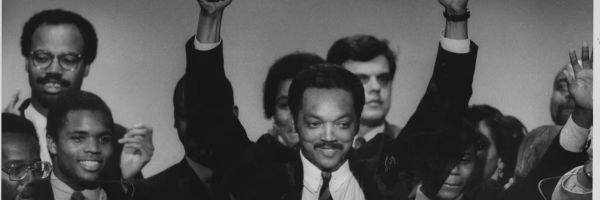
As we look back at Jesse Jackson’s life, it is important to remember he was part of a long line of African Americans who consistently made the case that race, colonialism, and nuclear weapons were inextricably linked.
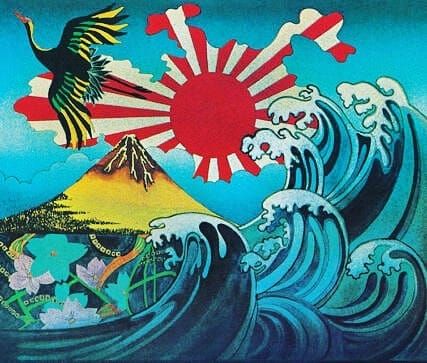
Art for Disarmament
John Coltrane’s tour in Japan showcased his belief in channeling the individual’s role into a positive force for humanity.
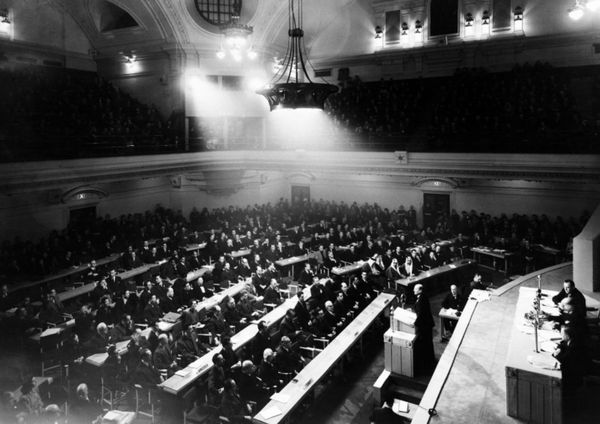
M.V. Ramana warns that the nuclear threat does not hold the power to mobilize people as it once did, It’s time to build intersectional and international movements.

As multiple congressional resolutions compete for attention in the fight against nuclear weapons, the disarmament community faces a crucial question: are we building the next freeze movement, or fragmenting the one we have?
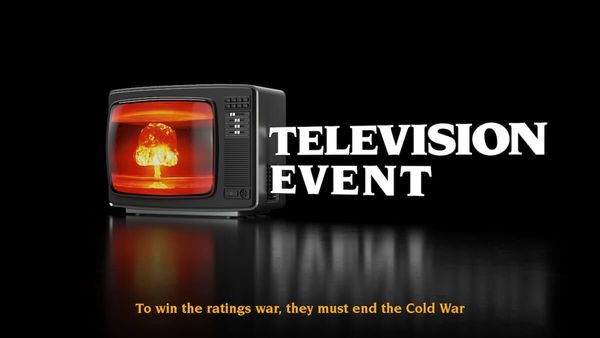
The Television Event director on what drove him to make a documentary about a legendary TV movie.
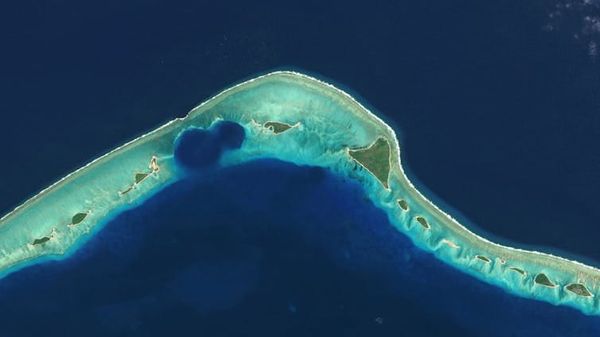
The physical legacy of war remains etched into the land and sea in the Pacific.

If we are serious about wanting to diversify and expand the field, then we must start educating our students much earlier.
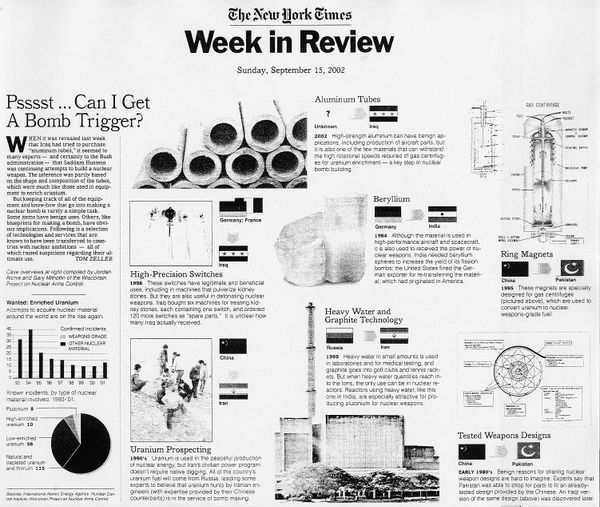
Peter Rickwood argues that a younger generation of journalists desperately need more support to understand nuclear weapons

Tom Vaughan argues the “third nuclear age” is not the threat; nuclear weapons are.
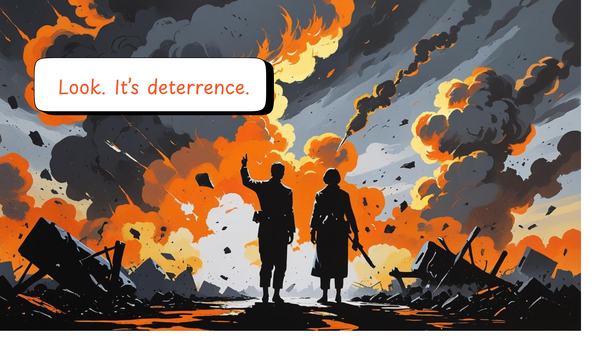
Don’t blink. Deterrence is for ‘dreamers’
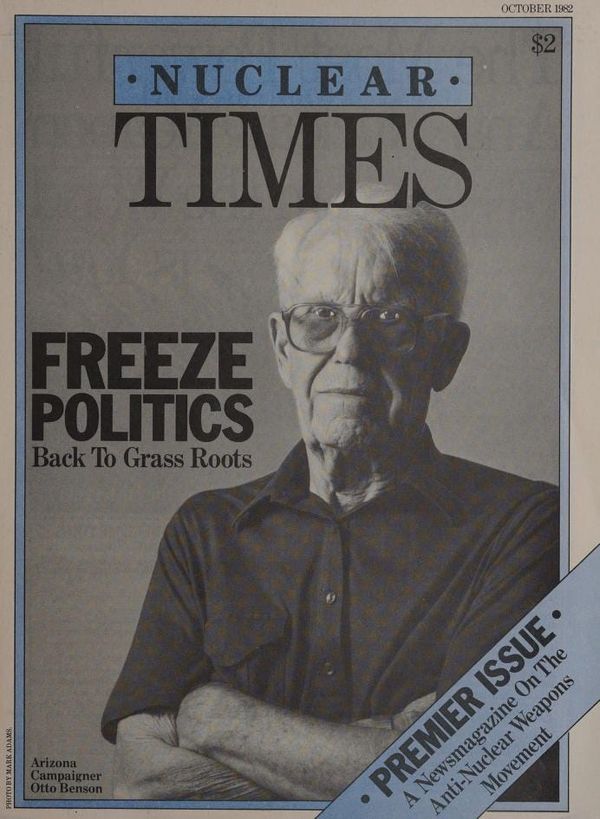
Historian Henry Richard Maar III for Nuclear Times: “The entwined history of arms control and peace activism should remind us—we can stop and turn the clock back.”
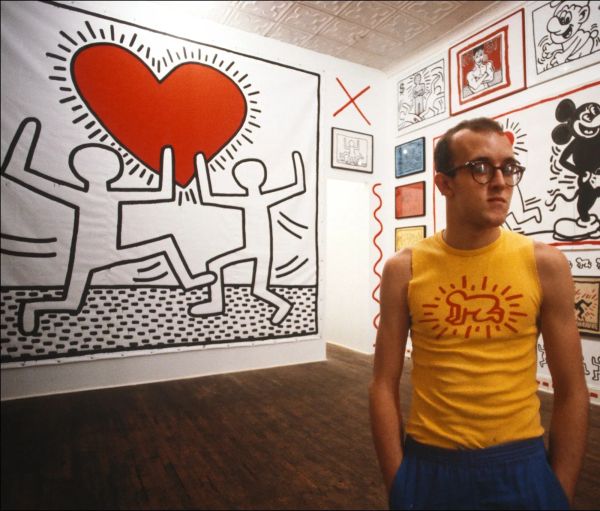
Artist Keith Haring used his own money to print and distribute 20,000 haunting posters during the historic 1982 anti-nuclear weapons march in New York.
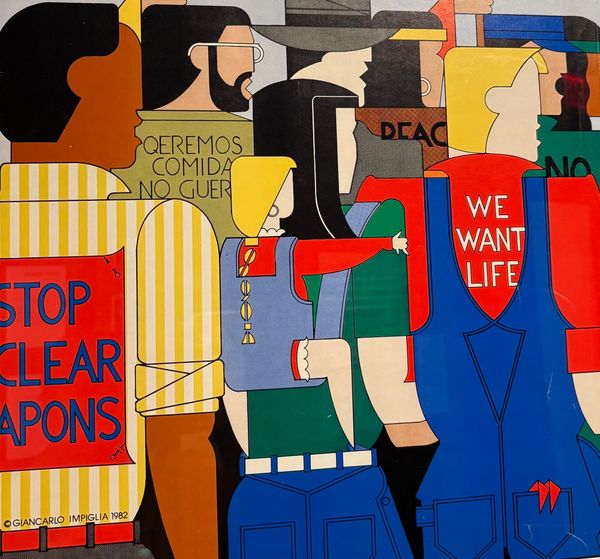
Nuclear Times is launching Art for Disarmament. A new series celebrating the myriad contributions of artists and the arts to nuclear disarmament.
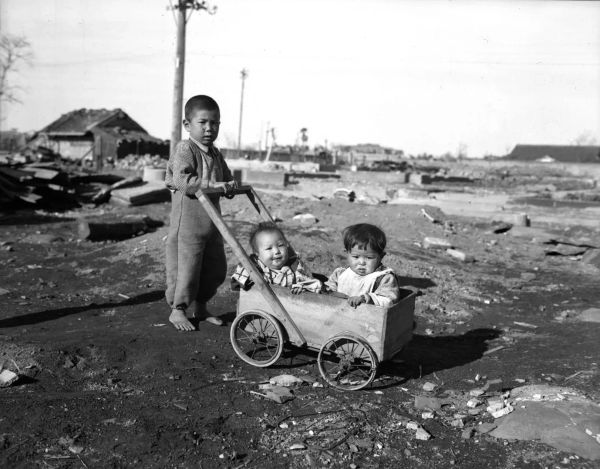
Greg Mitchell shows that “F**ing Up” civilians was the grotesque point of the atomic bombing of Nagasaki.