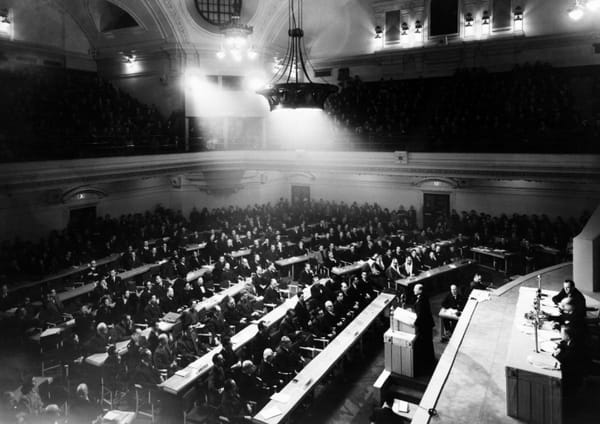
‘Act for life and not death’: social movements and nuclear abolition
M.V. Ramana warns that the nuclear threat does not hold the power to mobilize people as it once did, It’s time to build intersectional and international movements.
M.V. Ramana warns that the nuclear threat does not hold the power to mobilize people as it once did, It’s time to build intersectional and international movements.

Policy
As multiple congressional resolutions compete for attention in the fight against nuclear weapons, the disarmament community faces a crucial question: are we building the next freeze movement, or fragmenting the one we have?
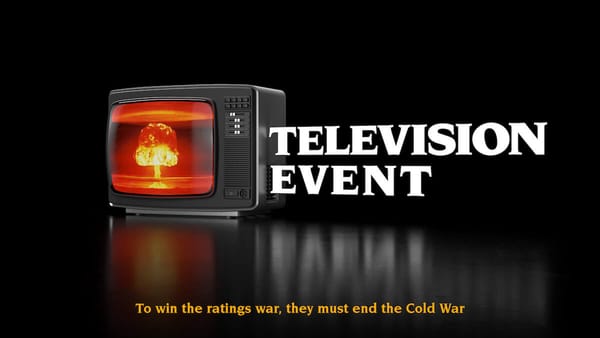
Film & TV
The Television Event director on what drove him to make a documentary about a legendary TV movie.

The Nuclear Age at 80
The physical legacy of war remains etched into the land and sea in the Pacific.

Education
If we are serious about wanting to diversify and expand the field, then we must start educating our students much earlier.
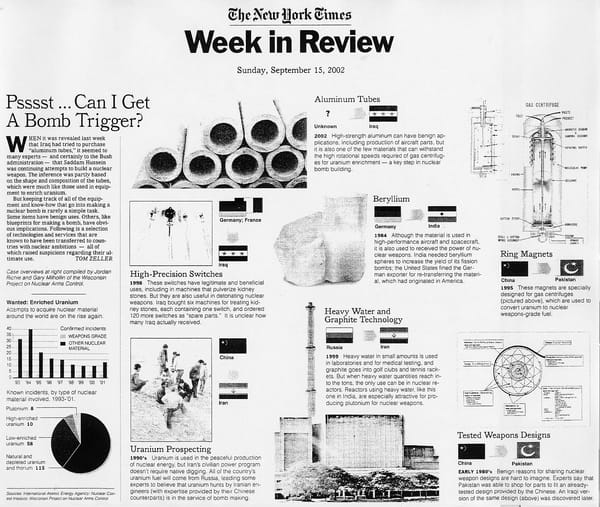
Support
Peter Rickwood argues that a younger generation of journalists desperately need more support to understand nuclear weapons

Policy
Tom Vaughan argues the “third nuclear age” is not the threat; nuclear weapons are.
Don’t blink. Deterrence is for ‘dreamers’
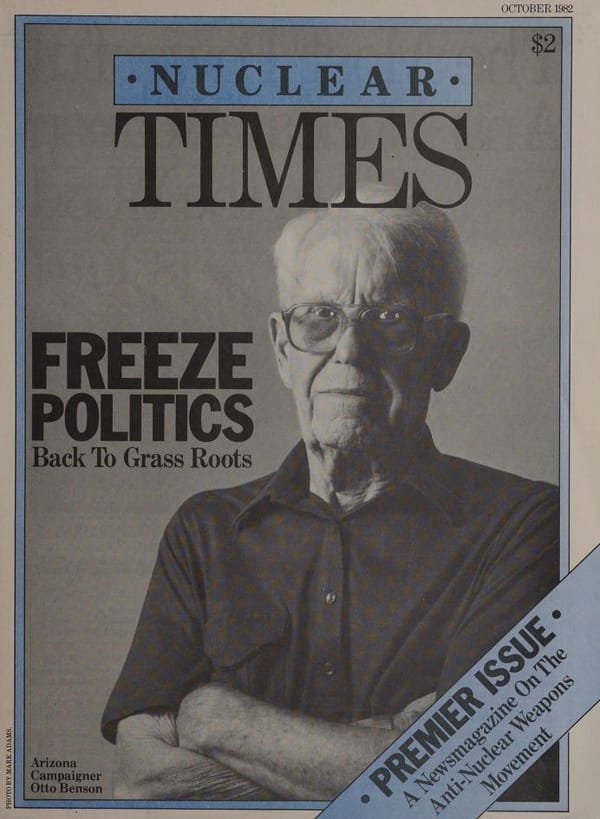
Historian Henry Richard Maar III for Nuclear Times: “The entwined history of arms control and peace activism should remind us—we can stop and turn the clock back.”

Artist Keith Haring used his own money to print and distribute 20,000 haunting posters during the historic 1982 anti-nuclear weapons march in New York.
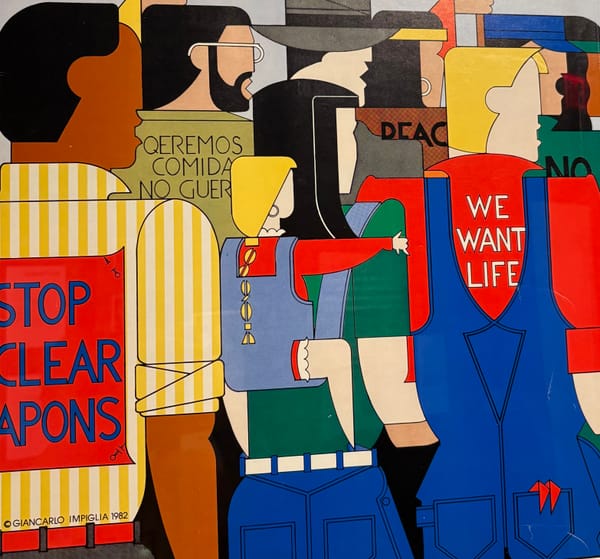
Nuclear Times is launching Art for Disarmament. A new series celebrating the myriad contributions of artists and the arts to nuclear disarmament.
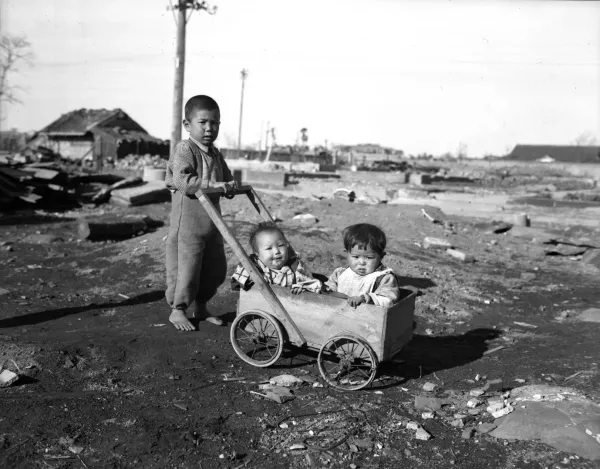
Greg Mitchell shows that “F**ing Up” civilians was the grotesque point of the atomic bombing of Nagasaki.

In a recent article in the Bulletin of Atomic Scientists, Alex Wellerstein argues that while Truman "deserves credit for the first use of the atomic bomb in war," the decision was largely already made from former President Roosevelt to General Leslie Groves, head of the Manhattan Project, and
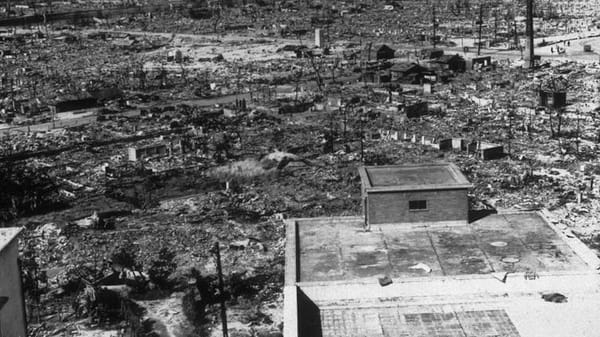
Stephen Herzog makes the case for the NPT. “I believe that for the sake of humanity’s future, the tragedies of the atomic bombings must remain a stark and unmistakable warning, not a precedent.”

For one week in August every year, thousands of origami paper cranes are folded and shared as a symbol for peace. What can you do for the other 51 weeks a year to eliminate nuclear weapons?

For 82 years, the Manhattan Project has been poisoning our homes. A new book explores the cover-up.
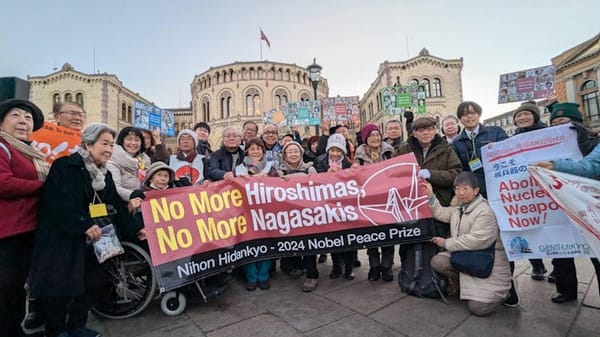
Masako Toki argues that Japan must reject deterrence and embrace the moral clarity of the hibakusha.

Did the atomic bombings save "millions" as has been claimed, or was that figure one of many myths that have justified nuclear weapons for eight decades?
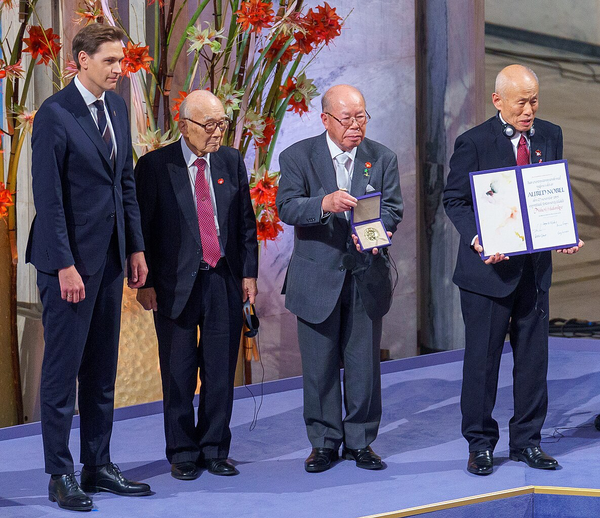
For nearly a decade, the survivors of the A-bombings of Hiroshima and Nagasaki were discriminated against, ignored, barred from speaking out or seeking damages. From the ashes, they rose to fight for disarmament and demand “No More Hibakusha.”