Inside the Effort to Create an International Fund for Nuclear Detonation Survivors
Establishing such a fund would be a landmark step forward in acknowledging and beginning to rectify the enormous harms caused by nuclear weapons detonations.


A nuclear weapon can be detonated in a second. Addressing its harm takes generations. With renewed discussion on resuming nuclear testing in the United States, it is worth turning an eye to the international efforts to address the ongoing impacts of nuclear detonations that occurred decades ago. A recent report shows that up to four million people have died prematurely as a result of these explosions and many continue to live with the effects. However, efforts to provide assistance to the survivors or remediate the sites of previous nuclear detonations vary widely from one country to another, and are unduly limited (geographically, temporally, or by the type of harm experienced).
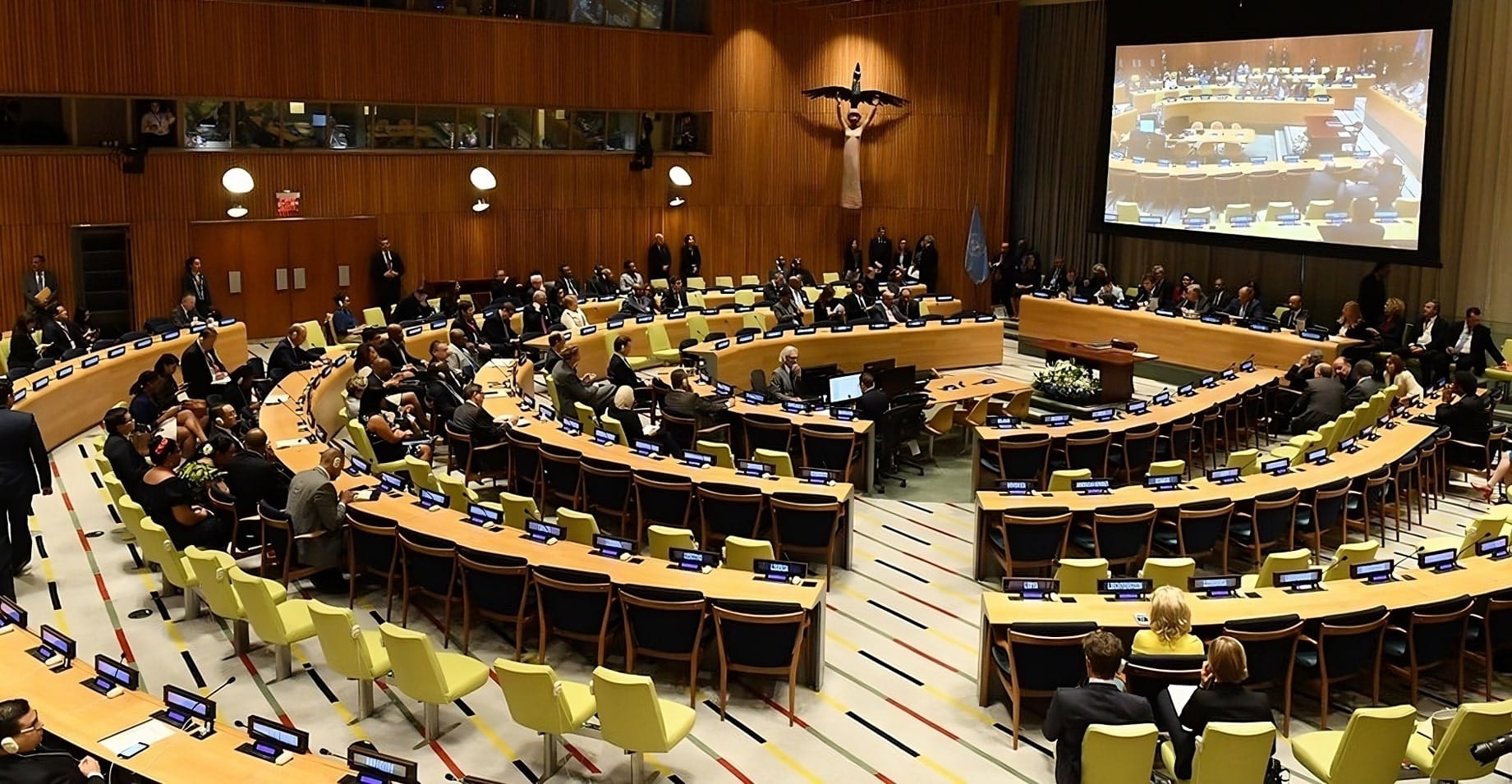
Some diplomats are trying to address this issue by creating a new United Nations international trust fund that would finance projects aimed at supporting survivors of nuclear weapons detonations and cleaning up radioactive environments. The goal is to establish the fund by December of 2026. These diplomats, who represent countries that have joined the Treaty On the Prohibition of Nuclear Weapons (TPNW) also known as the nuclear ban treaty, created the first international obligation for countries to support the survivors of nuclear detonations, including medical care, psychological support and even providing for their inclusion in society and the economy. While this has been no small feat for those who negotiated the nuclear ban treaty, in the past five years, states have been laying the groundwork on how to take forward their obligations, starting with national studies, to determine how many nuclear survivors require support, what their needs are, and the state of current assistance measures. Ongoing civil society-led research on the needs of nuclear-affected communities has provided an important addition to state-led assessments. Since then, discussions have progressed towards how to improve current national measures with international support, including the establishment of an international trust fund.
Key debates around creating the fund have included: who would be allowed to contribute to the fund (i.e. just states that have already joined the TPNW or a broader donor base); who could benefit (including if distributions from the fund would be limited to states or if they could also include NGOs or even individuals); who would decide on fund distribution (including the consideration of a board of advisors involving various state and non-state actors); and how the fund would be established institutionally (including which international organization could administer it and what process would be needed to provide a mandate for it to do so).
Establishing such a fund, which can be both effective and sustainable, and is guided by the expertise of those most affected by nuclear weapons, would be a landmark step forward in acknowledging and beginning to rectify the enormous harms caused by nuclear weapons detonations.
At the same time, there are more ways that countries can address the impacts of nuclear weapons and remediating contaminated environments than donating to or distributing grants from an international trust fund. Increasing engagement at the national level between government representatives and civil society to better understand and address the local needs of affected populations is one example. Sharing relevant technical expertise among states parties, such as training in early cancer detection methods, is another.
Recent victories at the national level demonstrate that progress is possible to improve the support offered by governments to the people and places harmed by nuclear detonations. The Radiation Compensation Exposure Act, succeeded last year in expanding the geographic and temporal scope of the program and the types of harm covered. Following a landmark study from the French parliament that examined the ongoing impacts of French nuclear testing and identifying the shortfalls of the “Loi Morin” which provides assistance to survivors of French nuclear detonations, the parliament reformed the law allowing more people to receive compensation and requiring an investigation into the ongoing impacts of French nuclear detonations in Algeria.
In the five years since the nuclear ban treaty (TPNW) took effect, countries have been quietly advancing their obligations to provide assistance to survivors of nuclear weapons detonations and clean up nuclear-contaminated environments. At the end of 2026, at the first conference to review the treaty’s implementation, these countries have a key opportunity to transform behind the scenes discussions into an effective achievement and thus improving the lives of those still harmed by nuclear impacts. This is why multilateral diplomacy still matters.
Alicia Sanders-Zakre is the Head of Policy at the International Campaign to Abolish Nuclear Weapons and the author of more than 100 articles and reports on the humanitarian and environmental impact of nuclear weapons, the Treaty on the Prohibition of Nuclear Weapons and general nuclear weapons policies.